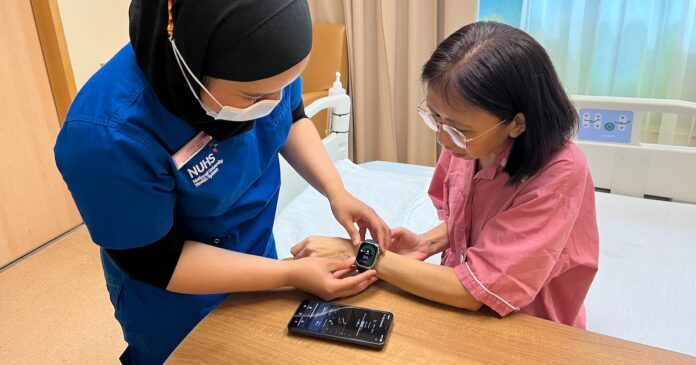




Computer vision is emerging as a practical AI tool for hospitals, offering real‑time video and image analysis to automate monitoring, triage and operational tasks. Use cases highlighted include patient fall detection and behavioral monitoring, automated inventory and equipment tracking, sterile field and instrument recognition in operating rooms, and camera‑based vital sign estimation. By extracting structured data from visual streams, computer vision can augment clinical decision-making, shorten response times, reduce documentation burden and optimize asset utilization without replacing clinicians.
Healthcare deployment requires rigorous validation, privacy safeguards, and seamless integration with EHRs and clinical workflows. Developers must address bias in training data, comply with regulatory pathways, and architect edge or hybrid deployments to limit latency and exposure of PHI. Early pilots and vendor partnerships show efficiency and safety gains, but widespread adoption will depend on explainability, interoperability standards, robust clinical trials and governance frameworks to ensure accuracy, trust and measurable ROI.