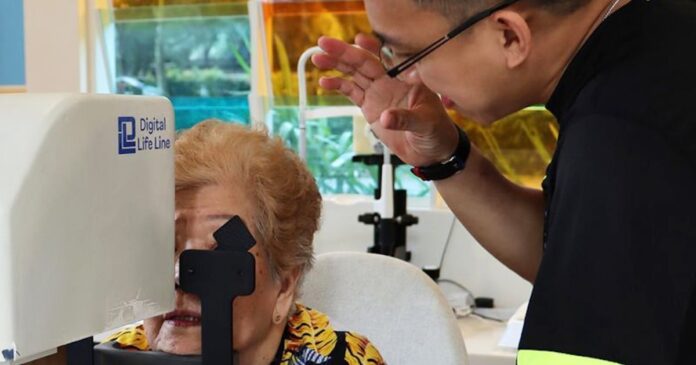




HIMSS26 Europe highlighted AI’s accelerating role across clinical workflows, population health and operational efficiency, with vendors and health systems demonstrating generative-AI pilots, clinical decision-support tools and automation platforms. Sessions stressed practical integration — interoperability and data quality — to move prototypes into production while protecting patient safety and reducing clinician burden. Attendees reported signs of improved diagnostic accuracy, workflow time savings and expanded remote monitoring that supports personalised care and generates real-world evidence for regulators.
Regulatory and governance debates dominated conversations, as delegates evaluated EU AI Act, data-protection obligations and auditing approaches for transparent, explainable models. Speakers urged stronger standards, cross-sector collaboration and investment in workforce upskilling to manage risk, validate real-world performance and secure AI systems against cyber threats, positioning responsible AI adoption as central to digital transformation in European healthcare. Panelists flagged procurement hurdles, reimbursement uncertainty and gaps in shared data infrastructure to scale validated AI across national health systems.