



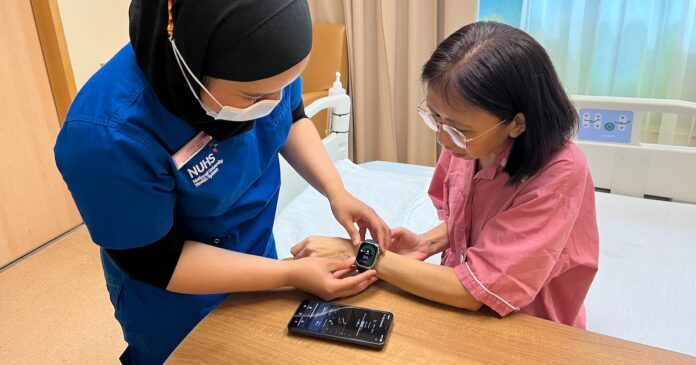
The National University Hospital (NUH) in Singapore is deploying smartwatches to continuously monitor inpatients’ vital signs after a month-long pilot that showed the devices could detect physiological changes up to two hours earlier than routine manual observations. The pilot, which ended in June, involved post-operative patients in a short-stay surgical ward and was led by NUH’s Department of Surgery with a multidisciplinary team from NUS Medicine.
Continuous biometric streams from wrist-worn devices create opportunities to apply AI-driven analytics and early-warning systems that may accelerate clinical interventions, reduce nursing workload and improve patient triage. NUH said the pilot demonstrates feasibility for real-time monitoring and informed plans to expand use, but emphasized the need for larger trials, algorithm validation, integration with electronic health records and safeguards for data privacy and clinical governance before broader rollout.