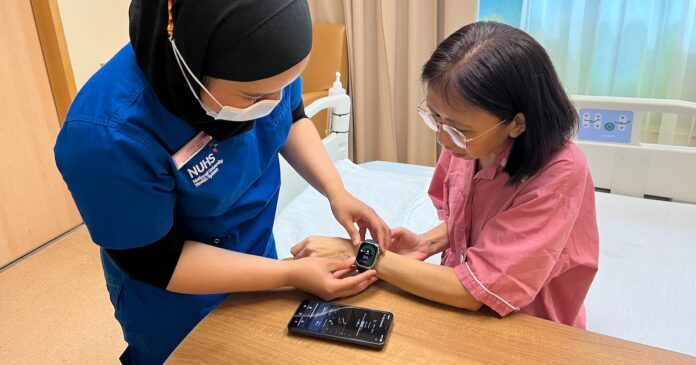




Healthcare IT News outlines how tele-hospitalists stabilize routine inpatient operations by balancing census, smoothing ED admissions and preserving time for thorough evaluations, care coordination, family communication and timely discharges. Under steady conditions, multidisciplinary rounds remain effective and clinicians can deliver high-quality, compassionate care without feeling rushed; tele-hospitalist coverage supports continuity when volumes fluctuate or staffing gaps occur.
These operational benefits have clear intersections with AI and digital health: predictive analytics can forecast surges and optimize tele-hospitalist deployment, remote monitoring and automated alerts can prioritize evaluations, and clinical decision support can accelerate care coordination and discharge planning. Integrating AI-driven triage and workflow automation into tele-hospitalist programs could improve throughput, reduce clinician burden and enhance patient safety—making tele-hospitalist models a strategic focal point for hospitals adopting advanced health IT.