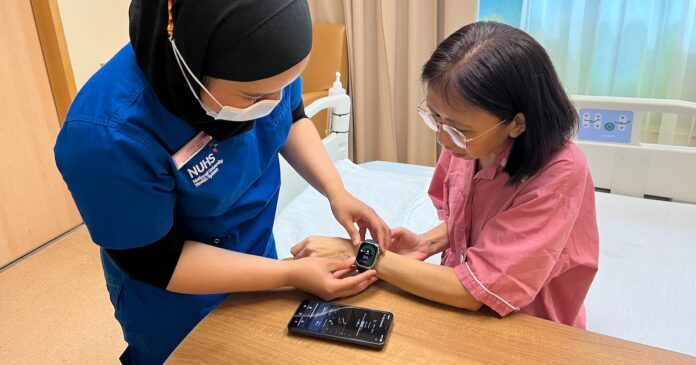




The Healthcare IT News piece examines how telemedicine must be tailored for long-term care, stressing flexibility, hands-on support and workflow adaptation to serve older adults. It notes digital literacy among seniors varies widely—some are comfortable with video and mobile platforms while others need simplified interfaces, caregiver mediation or on-site assistance. Providers should address device access, connectivity, staff training and scheduling, and build protocols that accommodate sensory, cognitive and mobility limitations to maintain quality care remotely.
The article underscores opportunities for AI to enhance telehealth in long-term care: adaptive user interfaces, voice and gesture controls, automated triage, remote-monitoring analytics and predictive alerts that prioritize staff interventions. AI-driven training tools can upskill caregivers and personalize patient guidance, while analytics improve population health management and resource allocation. It cautions that deployment must prioritize equity, data privacy and explainability to ensure older adults benefit without exacerbating disparities.