



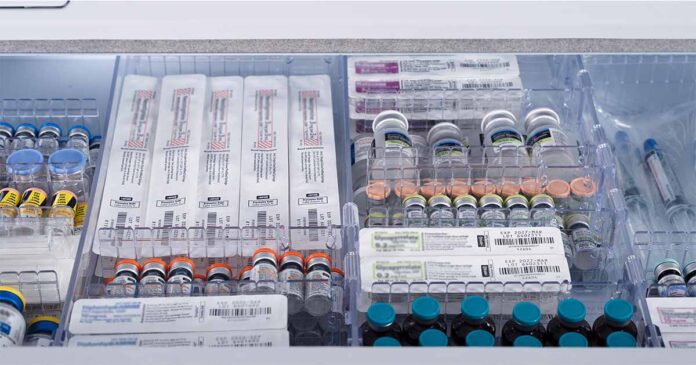
The healthcare sector is increasingly deploying RFID to track medications, with ASHP reporting more than 20% of hospitals using the tech and adoption rising. Beyond basic traceability, AI-powered analytics can convert RFID data into real-time inventory visibility, automated reconciliation of dispensed versus billed drugs, and predictive alerts for shortages or expiration risks. This can boost patient safety, streamline workflows, and reduce costs. Yet many organizations hesitate to retrofit or expand RFID ecosystems due to disruption, data integration challenges, and vendor lock-in. A careful, AI-enabled migration can reduce risk while preserving data continuity.
The article’s core message is that switching RFID systems doesn’t mean starting over. With careful planning, data mapping, and AI-assisted interoperability tooling, hospitals can migrate incrementally, reuse historical records, and maintain safety and compliance throughout the transition.